


California to ICE: Ditch The Masks or Face The Law — New Law Bans Masked ICE Raids & “Secret Police” Tactics Starting January 1
Written by b87fm on 12/31/2025
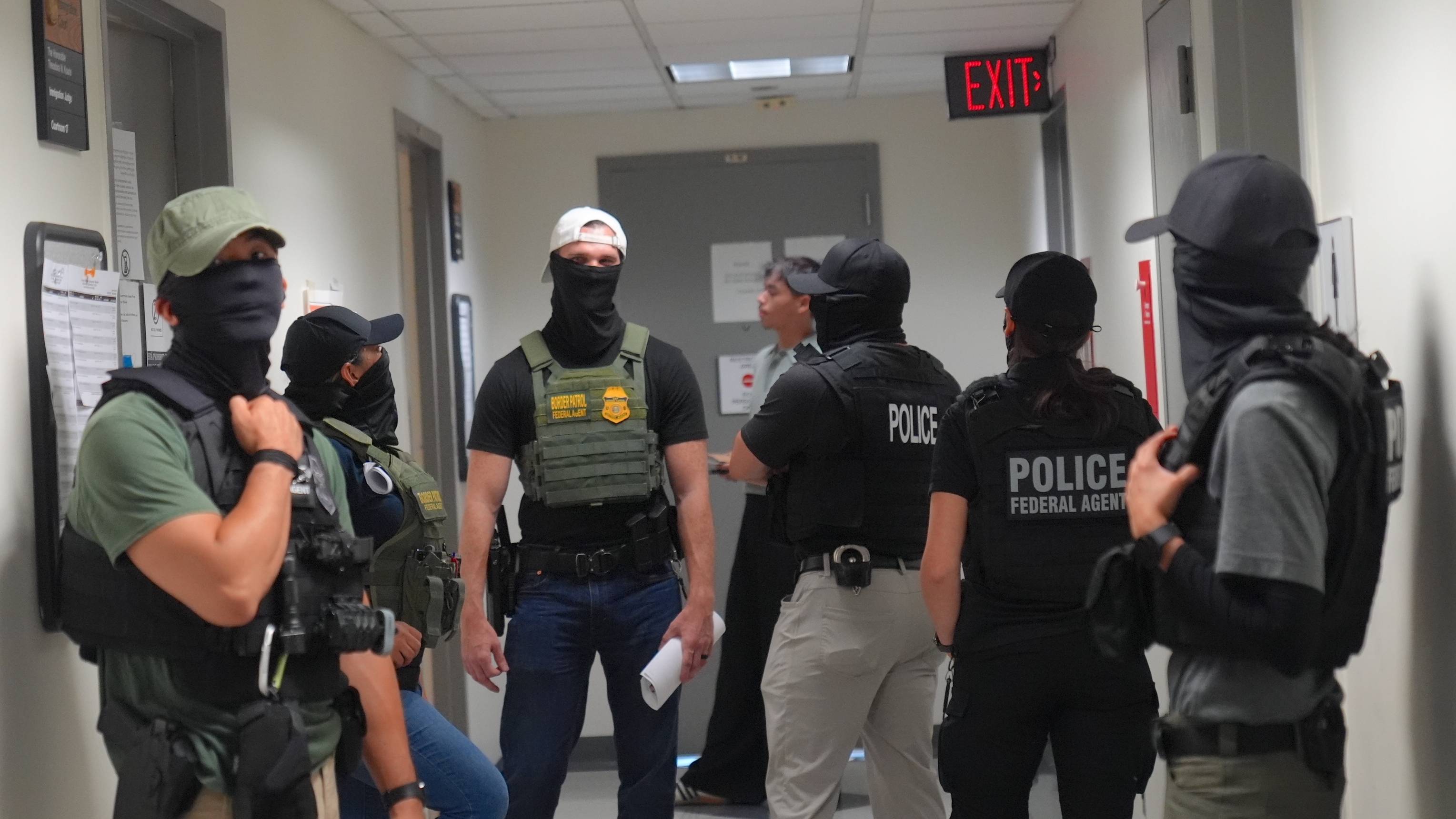
California is slamming the brakes on masked immigration raids — and the message is crystal clear: no more ski masks, no more hidden identities, no more silent intimidation. Beginning January 1, the state’s new “No Secret Police Act” officially makes it illegal for ICE agents and other law enforcement officers to conceal their faces during routine operations.
The law, Senate Bill 627, was introduced by State Sen. Scott Wiener (D–San Francisco) and signed by Gov. Gavin Newsom in September. It comes after years of growing concern about masked ICE agents storming neighborhoods, conducting aggressive raids, and spreading fear — particularly in immigrant, Black, and Brown communities.
“ICE agents who terrorize California communities while covering their faces will be in violation of California law and subject to civil and criminal liability,” Wiener said. “There is no legitimate reason for ICE or any law enforcement officer to cover their faces while conducting normal operations. Doing so undermines public safety and erodes trust.”
What the Law Forces ICE and Law Enforcement to Do
The No Secret Police Act bans federal, local, and even out-of-state officers from hiding their identities during standard enforcement operations. No balaclavas. No ski masks. No pulled-up face coverings. And no blending in with criminals while claiming to enforce the law.
Instead, officers must be visibly identifiable — meaning badge numbers, agency identifiers, and faces that can be seen by the communities they enter.
There are exceptions — but they’re limited and clearly defined:
-
SWAT and tactical emergency situations
-
Undercover operations
-
Medical or health-related masking
-
Fire protection or severe environmental conditions
Otherwise? Agents must show their faces.
Why California Says the Law Was Necessary
Wiener didn’t mince words when pushing the bill, calling masked raids dangerous not only for civilians but for civil liberties.
“We have to stand up and say no to the secret police raining fear and intimidation on communities across California,” he said. “Law enforcement should never be easily confused with the guy in the ski mask robbing a liquor store — yet that’s exactly what’s been happening.”
The move follows mounting reports from across the country of impersonators robbing families while posing as immigration agents — a problem made easier when real agents themselves operate masked and anonymous. Communities argued that families have been left traumatized, unsure whether masked intruders were criminals or government officers.
A Direct Impact on Vulnerable Communities
Advocates say the law especially matters for Black, Latino, and immigrant neighborhoods, where residents have long reported aggressive tactics and intimidation. Masked agents have kicked down doors, conducted late-night raids, and approached schools and homes with little transparency.
This law also tightly pairs with other California protections:
-
Stricter limits on ICE entering schools and hospitals without warrants
-
Required notifications to families if immigration enforcement appears at schools
-
Stronger safeguards for student information
Gov. Newsom framed the legislation as a human rights stance, positioning California once again at the center of national resistance to harsh federal immigration enforcement.
What Happens If ICE or Police Break the Law?
There are real consequences.
Officers who violate the act could lose qualified immunity, opening the door to lawsuits for false arrest, assault, or other misconduct. They also face a minimum $10,000 penalty for operating masked during prohibited situations.
In short: if you’re coming into California communities as law enforcement, the state is saying you better show your face and your name — or be ready to pay up.
A Bold Sanctuary Statement
With this law, California isn’t whispering. It’s shouting.
The state continues to position itself as a national leader in immigrant protections, refusing to normalize shadow tactics and anonymous enforcement. As federal immigration debates intensify, California is making one thing undeniable:
Secret police tactics don’t fly here.