

Tyler the Creator Under Fire Over Resurfaced Anti-Black Racist Tweets
Written by b87fm on 10/20/2025
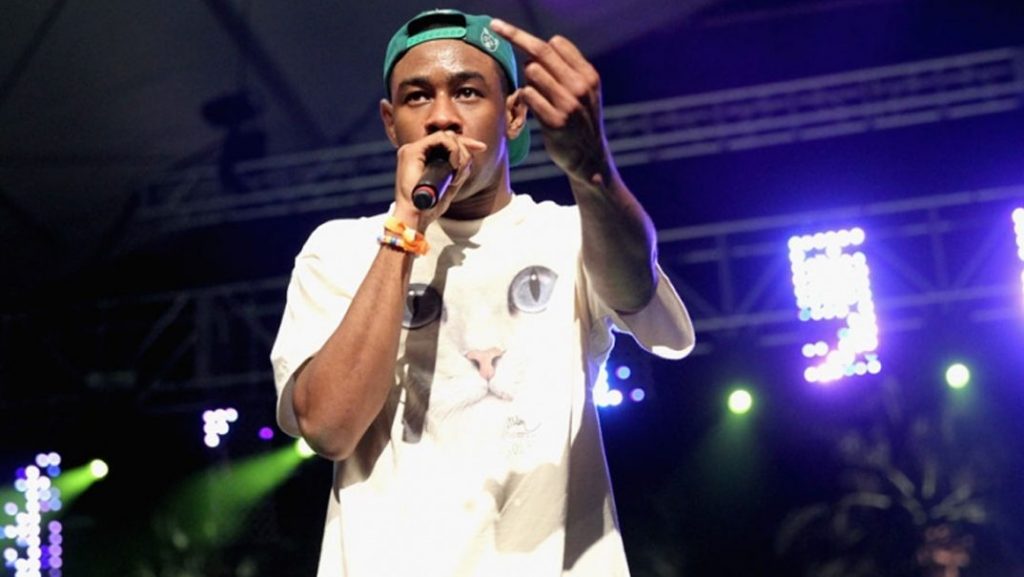
Tyler the Creator is facing intense backlash after several of his old tweets resurfaced online, reigniting conversations about his early career and the fan culture around him.
The controversy erupted shortly after Tyler posted a tribute to late neo-soul legend D’Angelo, who passed away earlier this week. The tribute was quickly overshadowed by a wave of racist comments in the replies—allegedly from members of Tyler’s own white fan base.
Some fans offered the rapper grace, arguing that he’s grown past the chaotic, shock-jock persona that built his early cult following. But others are holding him accountable, pointing to the very online history that helped shape that fan culture.
The Resurfaced Tweets
Between 2012 and 2014, Tyler—then in his early twenties—posted a number of inflammatory remarks. One of the most widely shared tweets is from February 2014, when he wrote:
“I HATE BLACK HISTORY MONTH. WHY THE F*** DO YOU HAVE TO FING SEPARATE NS STILL. ‘OH, IT’S PAYING HOMAGE TO OUR HEROES’ F THAT.”
Tyler the Creator was a month shy of 24 years old when he said this… this is NUTS lmfaoooooo pic.twitter.com/AGWhQ4IFFs
— gaylinda’s elphabi (@its_marjay) October 19, 2025
In another January 2014 tweet, he wrote about not trusting “random Black dudes,” describing them with stereotypes about hairstyles, adding: “THEY LIKE EVERYTHING.”
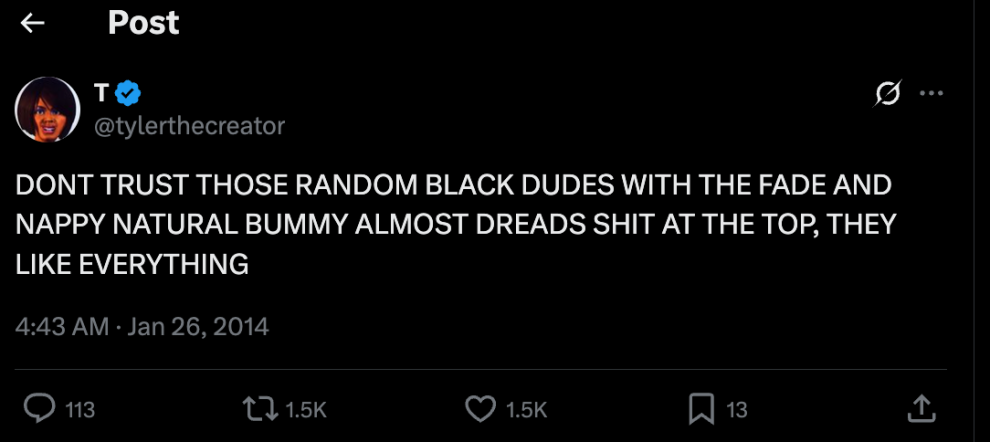
x.com/tylerthecreator
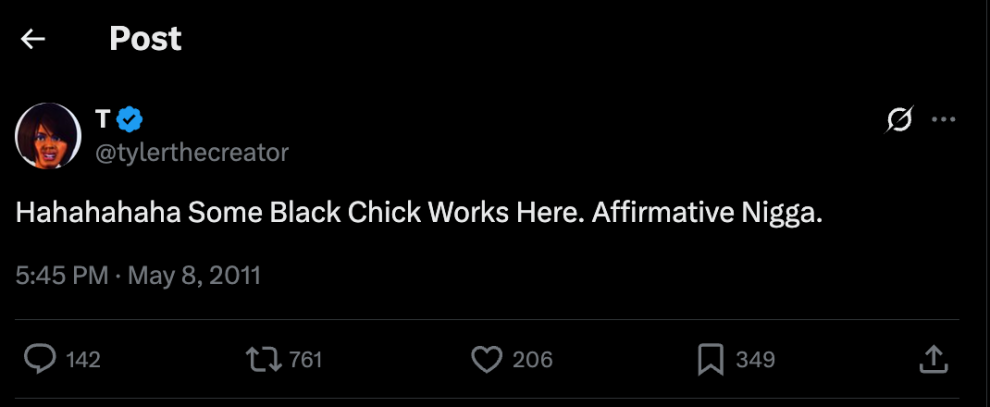
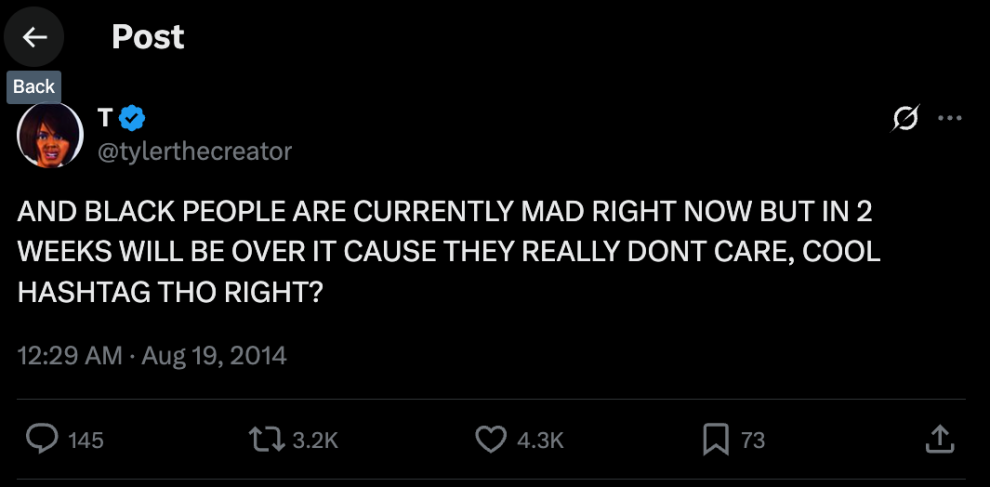
Other tweets show Tyler making racially insensitive jokes about affirmative action and dismissing the Ferguson protests in 2014, following the killing of Mike Brown.
“Hahahahaha, Some Black Chick Works Here. Affirmative N****.”
x.com/tylerthecreator
“AND BLACK PEOPLE ARE CURRENTLY MAD RIGHT NOW BUT IN 2 WEEKS WILL BE OVER IT CAUSE THEY REALLY DON’T CARE, COOL HASHTAG THO RIGHT?”
x.com/tylerthecreator
While Tyler hasn’t publicly addressed the backlash, many online have noticed he’s quietly deleting some of the posts as they resurface.
The controversy has sparked a broader debate about accountability, cultural impact, and how artists’ early rhetoric can shape the communities they build around their work.
Whether Tyler chooses to address the posts directly or let the storm pass remains to be seen—but the internet doesn’t forget, and neither do the communities harmed by those words.