Oscars to Leave Broadcast TV, Moving to YouTube Beginning in 2029
Written by b87fm on 12/17/2025
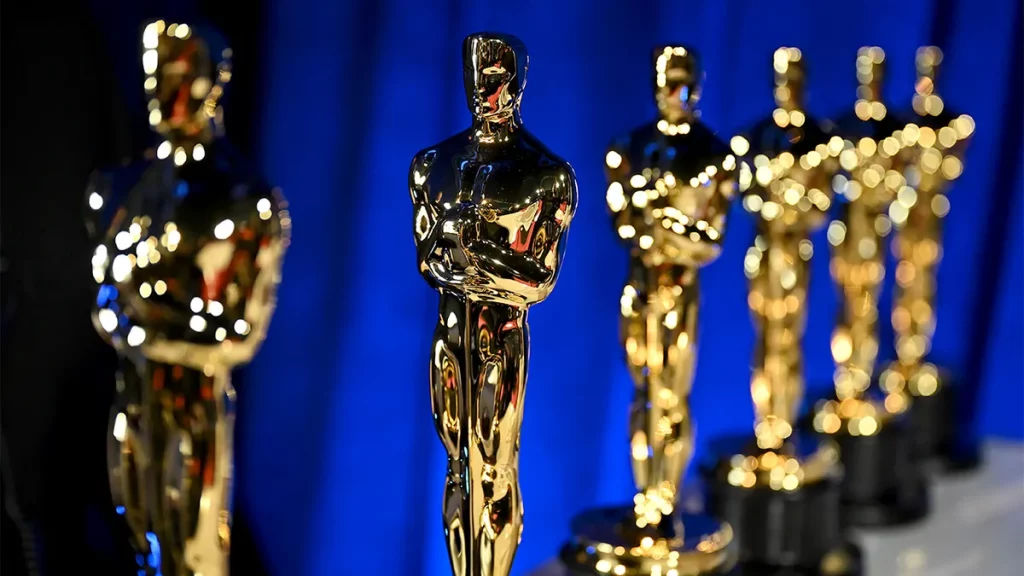
The Academy Awards are preparing for a historic shift, announcing that the Oscars will begin airing exclusively on YouTube starting in 2029, marking the end of a decades-long run on traditional broadcast television.
The Academy of Motion Picture Arts and Sciences and YouTube have entered into a multi-year partnership running from 2029 through 2033. The move follows more than 50 years of the Oscars airing on ABC, with the 2026 ceremony on March 15 set to remain on network television.
In a joint statement, Academy CEO Bill Kramer and Academy President Lynette Howell Taylor framed the deal as a necessary evolution.
“We are thrilled to enter into a multifaceted global partnership with YouTube to be the future home of the Oscars and our year-round Academy programming,” the statement read. “This collaboration will allow us to expand access to the work of the Academy to the largest worldwide audience possible, while honoring our legacy.”
They emphasized that the Academy’s increasingly global membership and audience made a digital-first platform a strategic choice. The partnership will also include year-round Academy content, archival programming, and new engagement opportunities designed to reach younger viewers and international audiences.
YouTube CEO Neal Mohan echoed that sentiment, calling the Oscars “one of our essential cultural institutions.”
“This partnership will inspire a new generation of creativity and film lovers while staying true to the Oscars’ storied legacy,” Mohan said.
The 2025 Oscars marked a five-year high in ratings, with 19.7 million viewers, after cratering during the pandemic. But it also showed a “dramatic growth,” according to Disney, among younger audiences watching on their digital devices. The Oscar ratings overall have been in a ratings decline over the years − comparatively, the 2014 ceremony drew 43 million viewers.
According to Nielsen, YouTube accounted for the largest share of U.S. streaming television viewing last month, underscoring its dominance in the evolving media landscape.
For Hollywood, the move signals a turning point: the industry’s most prestigious night is no longer tethered to network television, but instead aligned with the platform shaping the future of how audiences watch, engage, and discover content worldwide.