

Shepard Fairey Wraps Luxury Car In Hip-Hop And Punk Lyrics
Written by b87fm on 09/22/2026
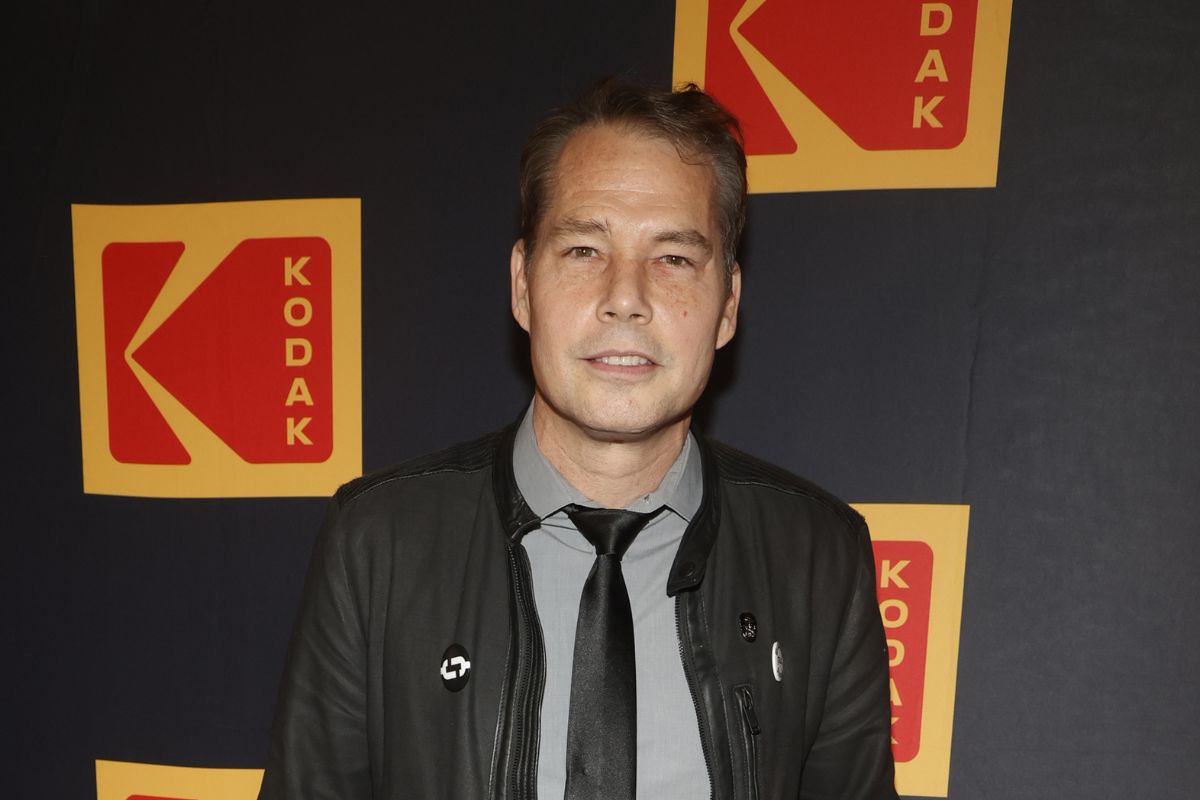
Shepard Fairey’s world-premiere art car brings Hip Hop and punk legends together to debate who decides what counts as real culture.
Shepard Fairey is bringing Hip-Hop and punk into the same room this Saturday to settle a question that’s haunted both cultures since the 1970s: who decides what counts as art, and who gets to write the history?
The artist’s world-premiere art car sits at the center of a conversation happening September 26 at the CART Department in New York.
A 1937 Packard Touring Sedan wrapped in metallic gold patterns, the vehicle features Hip-Hop lyrics from Slick Rick, Chuck D, and The Notorious B.I.G. on one side, while the other side carries punk manifestos from Joe Strummer, Jello Biafra, and the Sex Pistols’ visual language.
It’s not just a car. It’s a statement about where power lives and who gets left out of it.
Join Us
AllHipHop’s Daily News Service
Delivering news to inboxes since 1999. We break it. They take it. Get it first, straight from AllHipHop.
Rocky Bucano, founder of The Hip Hop Museum, is bringing two legends to the table for this conversation.
Grandwizzard Theodore, who invented scratching in his Bronx bedroom in 1975, and Eric Orr, a pioneering graffiti artist who came up alongside Basquiat and Keith Haring, will sit down to talk about moving from the underground to the archive.
“Hip-Hop has never needed permission to be art,” Bucano says. “It was art from the very first time a needle touched a record in a Bronx park.”
The exhibition runs through September 27 and is free and open to the public.
The panel explores how both Hip-Hop and punk emerged from the same disinherited streets, built by young people who were told there was no future and who built one anyway.
Ten new mixed-media works by Fairey inspired by the car will be exhibited alongside his existing pieces, creating a visual argument about legitimacy, memory, and who gets to decide what belongs in the archive.