

Un Recognizes Haiti’s Signature Sound Compas, A Haitian Music And Dance Genre
Written by b87fm on 12/12/2025
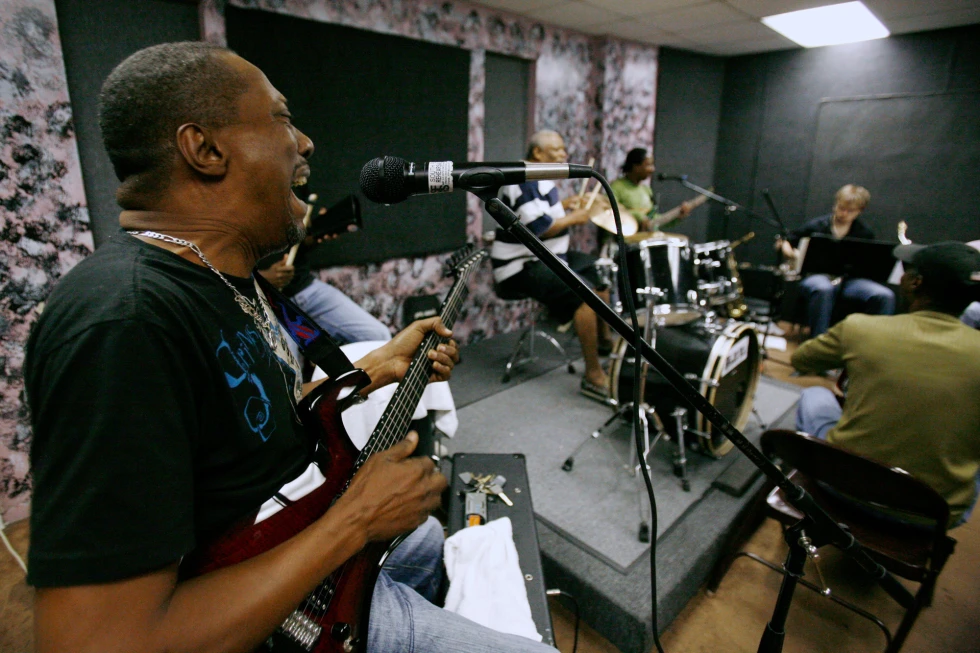
Andre “Dadou” Pasquet, left, sings and plays guitar with the Magnum compas band during a practice session in North Miami, Fla. Thursday, May 8, 2008. (AP Photo/Lynne Sladky, File)
Haiti’s heartbeat just received global recognition.
Compas — the beloved Haitian music genre that blends merengue roots with unmistakable Caribbean percussion — has officially been added to UNESCO’s prestigious cultural heritage list. It’s a moment of pride that arrives at a time when Haiti desperately needs a cultural win.
Created in the 1950s, compas (also known as konpa) isn’t just music; it’s a lifeline. Its syncopated rhythm pours from bars, kitchens, living rooms, and late-night gatherings across the country. In a nation battling relentless gang violence and deepening poverty, compas remains one of Haiti’s purest sources of joy, escape, and unity.
When Haiti clinched its first World Cup qualification since 1974 on Nov. 18, the celebration soundtrack was unmistakable: compas echoing through Port-au-Prince as crowds danced into the night.
Dominique Dupuy, Haiti’s former foreign affairs minister, called UNESCO’s decision “an ode to joy.”
“In these dark times our country is experiencing, we usher in the new year with a glimmer of hope,” she wrote on X.
UNESCO praised the genre for its ability to bring people of all backgrounds together and highlighted its cultural themes — love, freedom, resistance, and resilience. Compas incorporates tanbou drums, congas, electric guitars, horns, and unmistakable Haitian swing. It stands alongside Cuba’s newly recognized Son, also added to UNESCO’s heritage list.
In Miami, where compas has a thriving diaspora scene, KOTR dance studio owner Sony Laventure celebrated the news. For him, compas is therapy.
“This allows me to step away… to be free from all things,” he said. His teaching travels have taken him from Kenya to Paris, spreading a rhythm that now belongs to the world.
For many Haitians, the recognition is personal.
Stevens Charles remembers dancing to legendary groups like Shleu-Shleu and Tabou Combo with his father.
“When you dance with a woman, you don’t have to move much. Just hold her close and close your eyes,” he said.
But compas also carries the weight of Haiti’s deteriorating security. Charles no longer risks going out at night — gangs rule the streets — but the music still fills his home.
Younger Haitians feel the pride, too.
“It makes me feel good that our music is spreading,” said teacher Judeny Maurancy, who listens to both old-school and new-wave compas. “It gives me a vibe I enjoy.”
Beyond Haiti, compas has reached West Africa, Europe, and stages across the U.S. Jazz scholar Etienne Charles says its rise is no surprise:
“The beat is infectious… the arrangements and improvisation are incredible.”
Charles composed the score for Jazz Island, currently running at New York’s Alvin Ailey American Dance Theater. Its final movement — two lovers dancing — is set to compas.
“They’re going to hear compas every night,” he said with a laugh.
Seventy years after its birth, compas has conquered dance floors, crossed oceans, and now earned a permanent place in the global cultural record. Haiti may be facing its darkest chapter, but its rhythm — its compas — continues to shine.